Rethinking Office Fit-Outs:
How Leading Organisations in Singapore Are Designing for Growth
31 March 2026
Singapore’s workplace landscape is changing fast.
Hybrid work has reshaped how employees use the office. At the same time, rising real estate costs and increasing pressure to attract and retain talent are prompting organisations to take a closer look at how their spaces perform.
The question is no longer “what should an office look like?”
It is now: What kind of environment best supports how our teams work and how our business grows?
Understanding How Work Happens
There is no single “right” office layout. For some organisations, structured desk-based environments remain effective, particularly where work requires consistency, focus, or regulatory control. For others, more flexible environments better support collaboration and hybrid work.
The key is not choosing between one model or another but understanding how work actually happens within the organisation.
Most teams today move between different types of work throughout the day — focused tasks, meetings, collaboration, and quick interactions. When the office does not support these shifts well, it can lead to small but constant inefficiencies, such as difficulty finding space for calls or limited areas for team discussions.
The goal, therefore, is to create an environment that makes it easier for people to do their work effectively.
In Paperspace’s work with Wise Singapore, the focus was not on replacing one type of layout with another, but on improving how the space supports day-to-day activities. This included increasing meeting capacity, adding phone booths for calls, and introducing flexible areas that can adapt to different needs

These changes were guided by how teams actually work, rather than by a fixed design approach.
Supporting Collaboration in Practical Ways
Collaboration is often a priority for organisations, but it depends heavily on how the space is set up. Rather than relying on open layouts alone, effective offices support collaboration by making interaction more natural and accessible. This can be achieved through clear zoning, shared spaces, and better visibility
across teams.
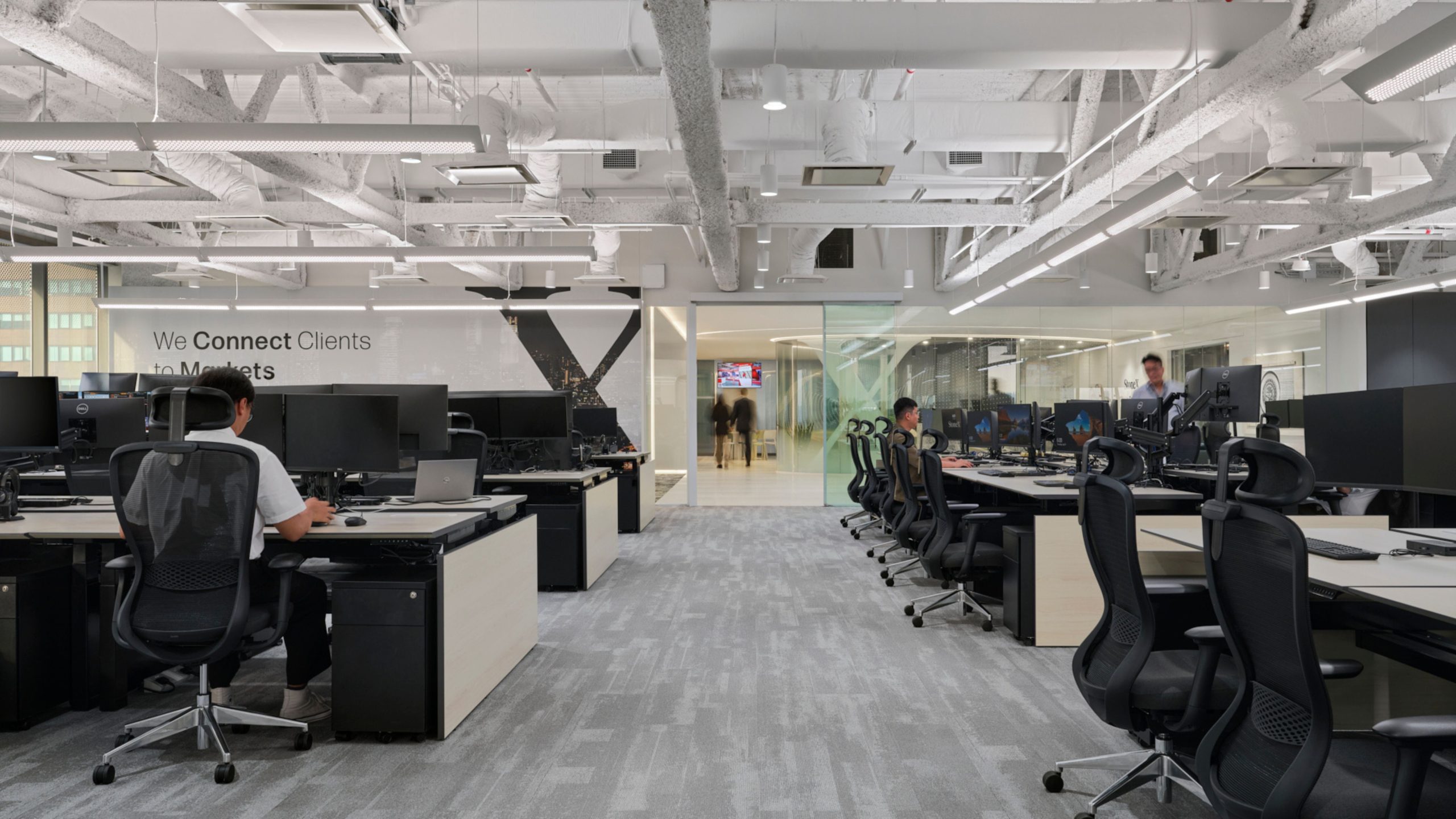
At Wise, a central Townhall brings together the pantry, meeting rooms, and informal seating, creating a natural point for teams to connect. In projects like StoneX Singapore, clearly defined zones help balance openness with the need for focus
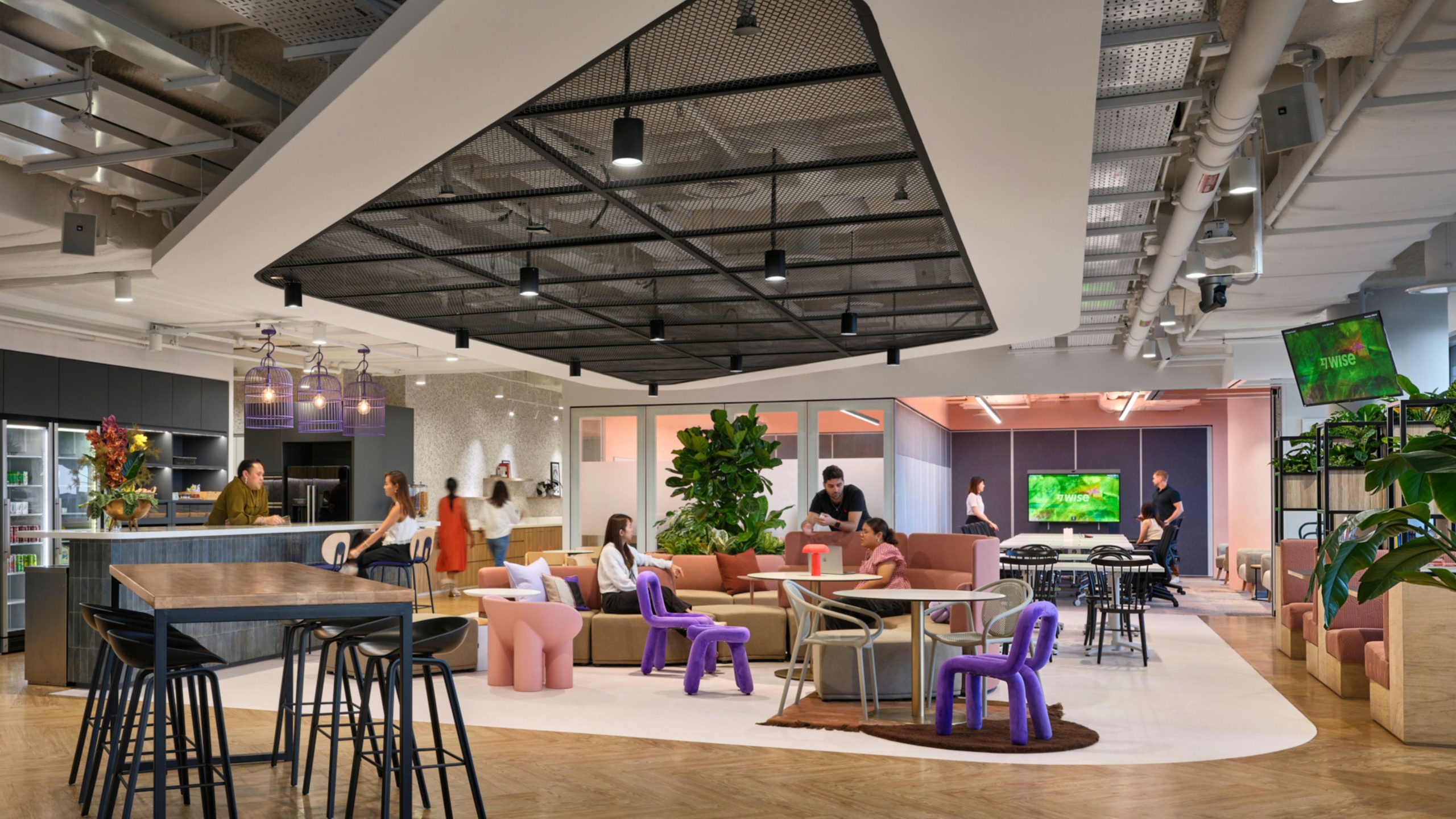
Even everyday spaces such as the pantry can play a meaningful role. When positioned thoughtfully, they provide opportunities for informal interaction that support team relationships and communication. These decisions are less about design trends and more about enabling how teams prefer to work together.
Making Better Use of Existing Space
In Singapore, expanding office space is often not the most practical option; driven by high real estate costs, limited availability, and long-term lease commitments that make scaling up less flexible.
As a result, many organisations are focusing on how to make better use of what they already have. This includes reviewing how space is allocated, identifying underused areas, and introducing more adaptable setups that can evolve over time.
In some cases, this also means retaining existing infrastructure and improving how it is used, rather than starting from scratch.
At Wise, the project involved upgrading an already fitted space. By keeping key elements and improving functionality, the team was able to support growth while managing costs and timelines effectively.
This approach shows that meaningful improvements do not always require expansion but rather a clearer understanding of how space can better support the business. Workplaces today need to support a wide range of roles and working styles.
Some teams require quiet, focused environments, while others rely on frequent interaction. There are also increasing expectations around wellbeing, flexibility, and comfort in the workplace.
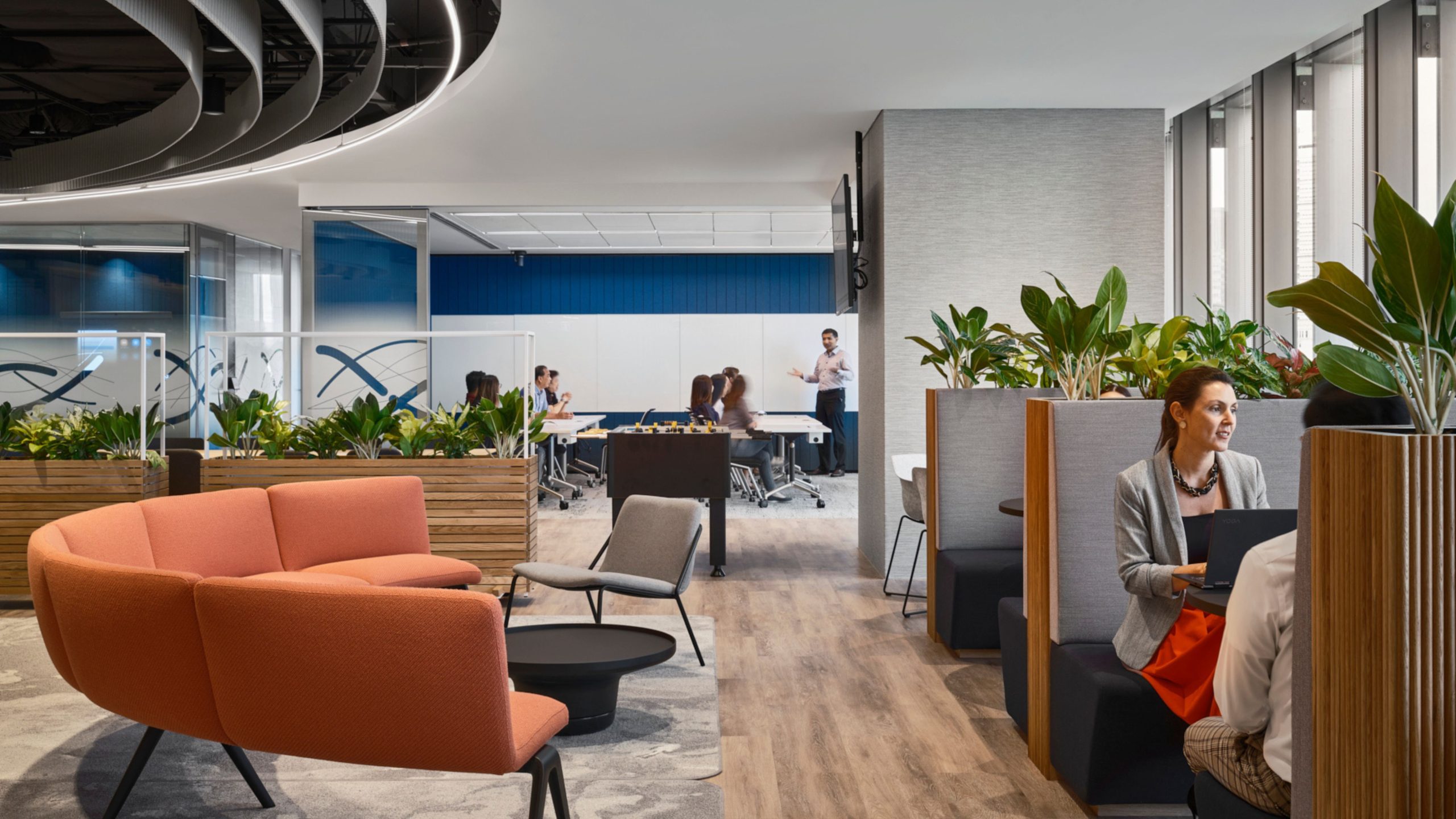
An effective office recognises these differences and provides a balance of spaces that support them. At Wise, this includes quiet zones for focused work, phone booths for calls, open areas for collaboration, and spaces that support rest and recovery. These features help reduce distractions, support different work styles, and improve overall employee experience.
For organisations, this translates into more consistent performance across teams, as well as stronger engagement and retention
The Office as a Business Decision
Offices have always been a business necessity, but how they are valued is shifting. Rather than being treated purely as overhead, organisations are taking a closer look at how the workplace can better support performance, collaboration, and the overall use of space.
The way an office is planned can influence team dynamics, space efficiency, and the everyday experience.
When aligned with how the organisation functions, the office can:
- Support productivity
- Improve collaboration
- Strengthen team dynamics
- Maximise the value of real estate investment
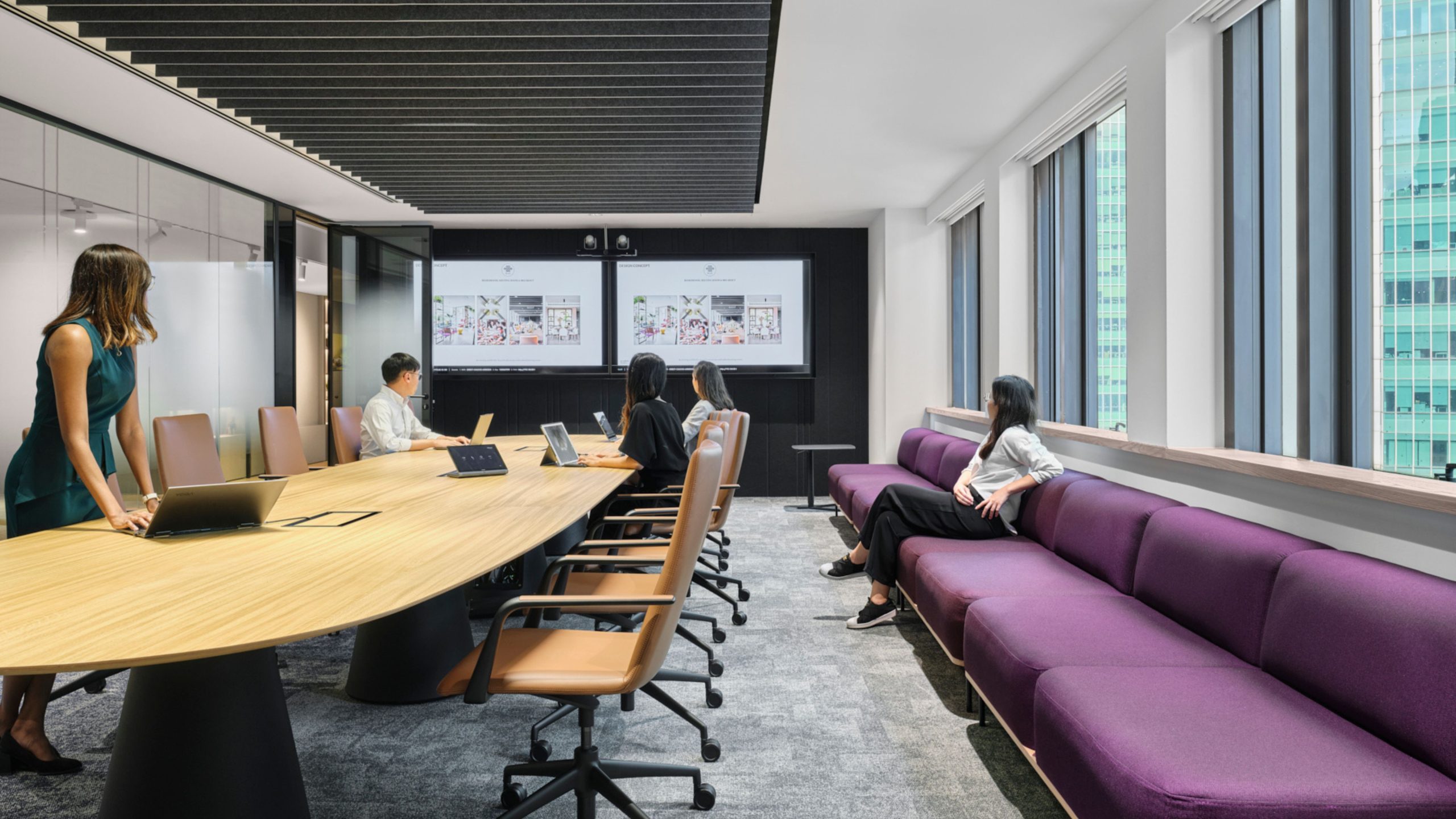
Office fit-outs are business decisions with direct impact on how people work and how organisations perform. As companies in Singapore adapt to shifting work patterns and business demands, the focus is no longer just on delivering a new office, but on ensuring it works in practice.
Because the most effective workplaces are not defined by a single layout or trend, but by how well they support the people using them.
▶ Explore how this approach comes to life in our Wise Singapore project.
Ready to Design for Talent?
Let’s build a workplace that attracts, retains, and empowers your people.
Contact us for a free consultation.
Contact us to discover how we can transform your tech workspace into a catalyst for innovation and growth. As one of Southeast Asia’s best commercial interior design firms, we’re ready to bring your vision to life.

TAGS
join our newsletter
Subscribe to receive the latest updates and news on design,
workplace strategy and research into your inbox.
