
The Workplace’s Role in Attracting and Retaining Talent
The Workplace’s Role in Attracting and Retaining Talent
10 November 2026
Career growth, flexibility and culture all shape where people choose to work. But the workplace is where many of those promises become tangible.
It shows how an organisation supports its people, brings teams together and turns culture into everyday experience. A workplace cannot create culture on its own, but it can reinforce it.
The Workplace Shapes First Impressions
For prospective talent, the workplace offers an early glimpse into what being part of an organisation might feel like. The experience should reflect the culture and values they are being invited into.
At Palo Alto Networks Singapore, the workplace was designed as a destination employees would want to return to, with wellbeing, connection and talent attraction at its core. The front-of-house experience opens to natural light, marina views and a Work Café, while flexible meeting and training spaces support collaboration, town halls and everyday interaction.
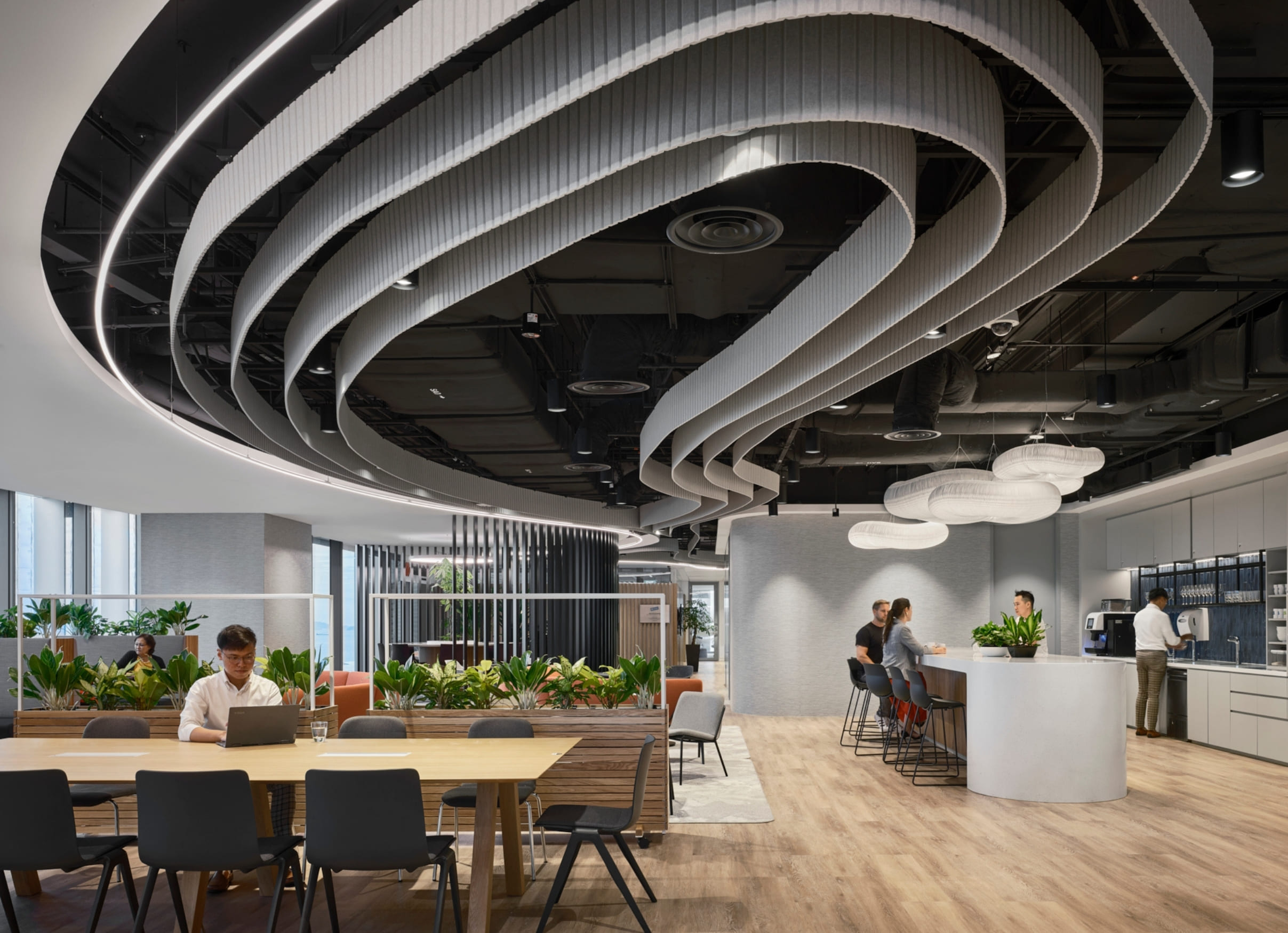
More than creating a strong arrival, the space gives employees and visitors an immediate sense of how the organisation values connection, flexibility and experience.
Supporting People Means Supporting Different Needs
A strong workplace experience is not about adding more amenities. It is about giving people the right support throughout their day.
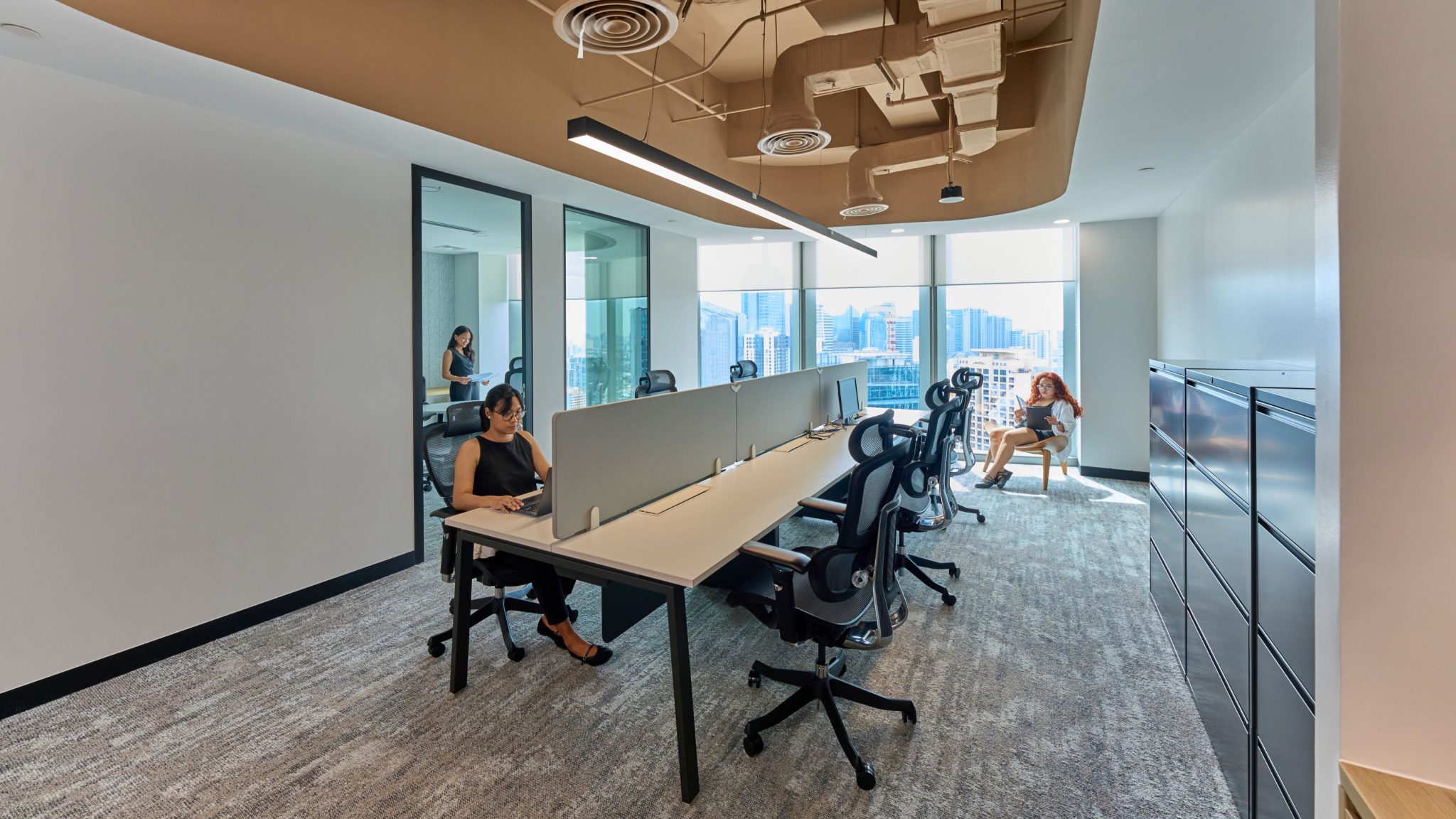
For a confidential global finance company in the Philippines, this meant balancing stringent security requirements with employee needs across three levels.
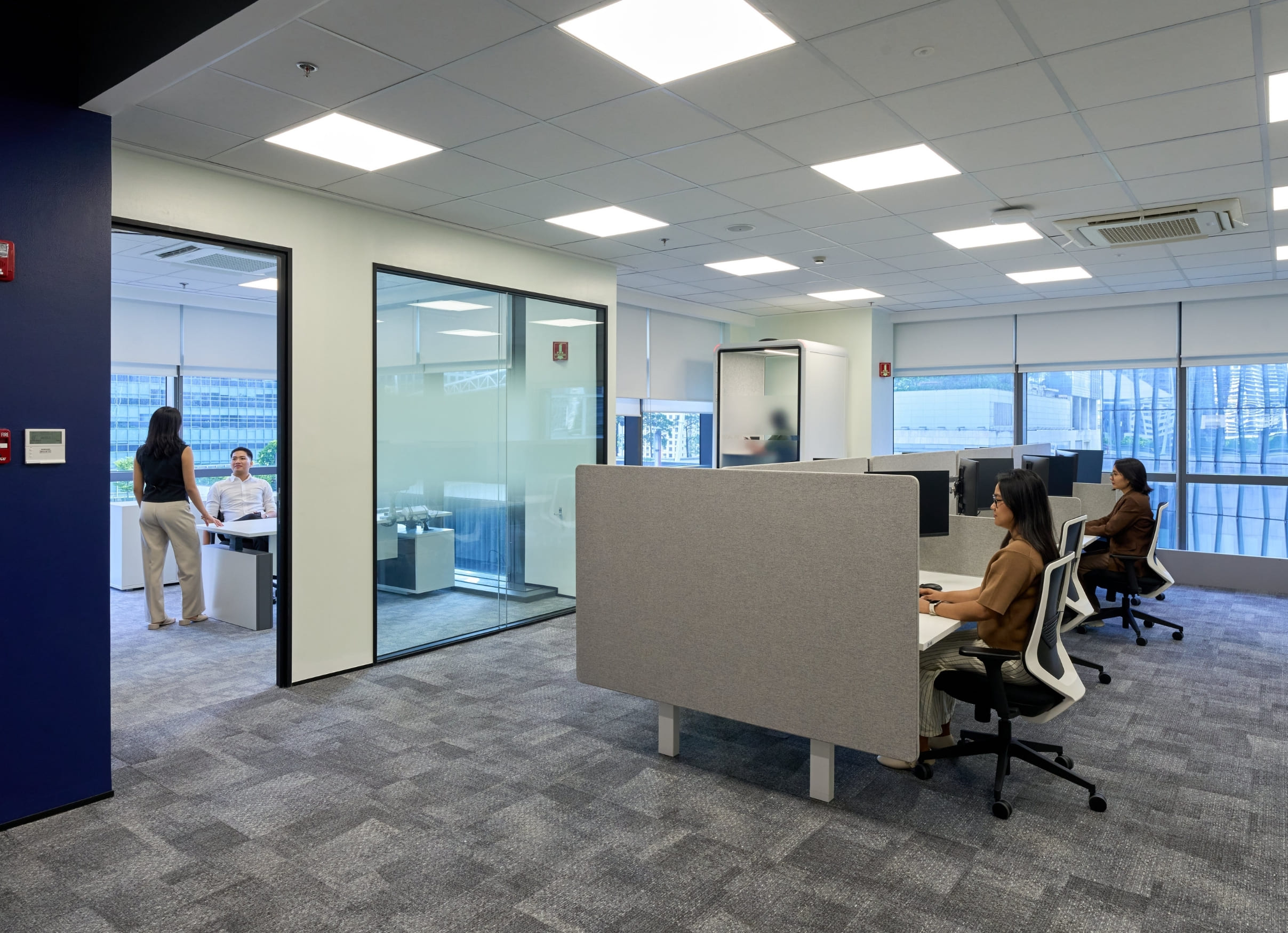
Focused work areas sit alongside meeting rooms, collaboration spaces and phone booths, while a clinic, nursing and prayer rooms, mother’s room and employee lounge support a wider range of needs. Together, these decisions communicate something important: who the workplace has been designed for.
Let the Workplace Reflect How the Business Wants to Work
The workplace can reflect a company’s commitment to flexibility and innovation.
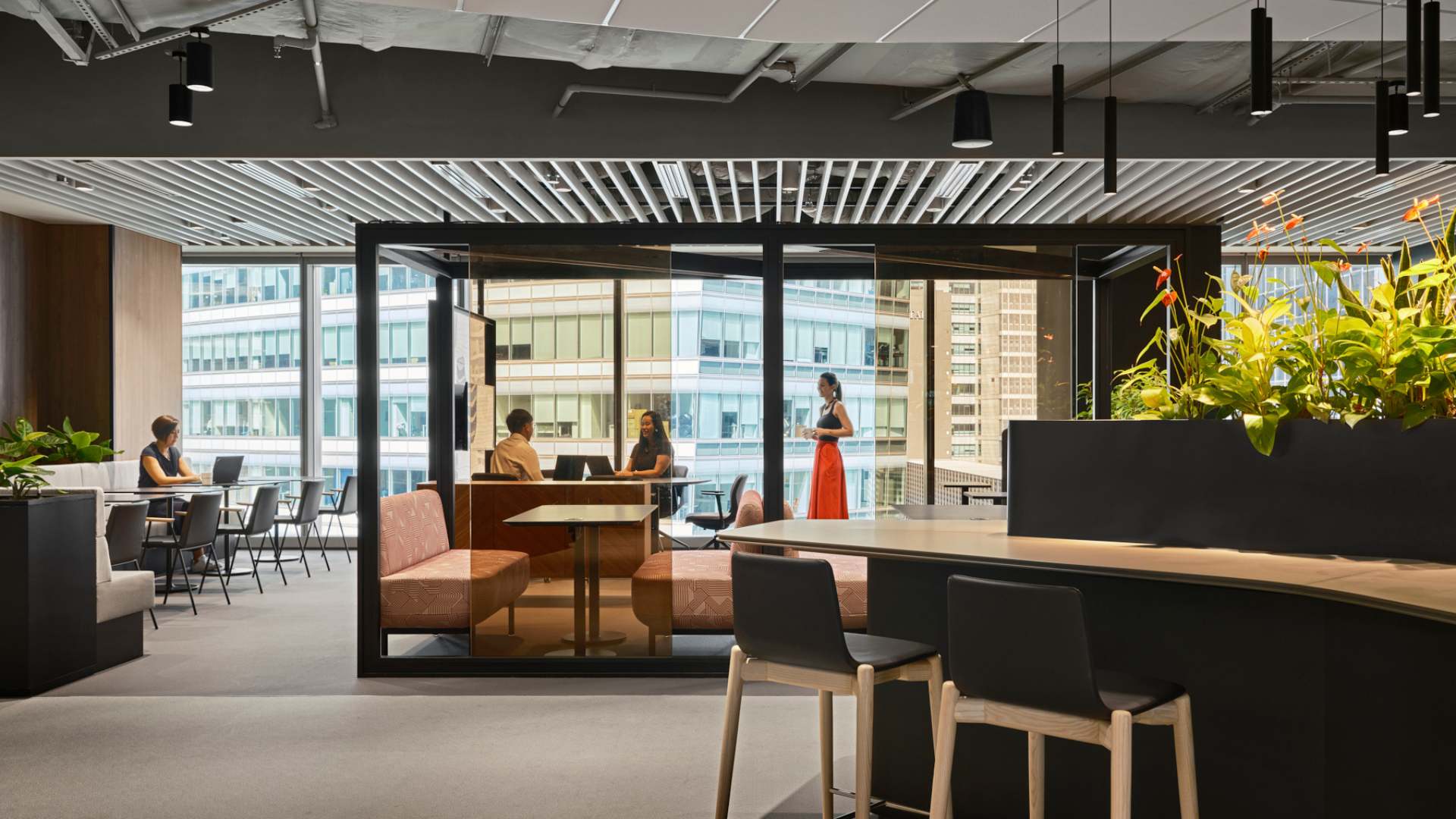
At Accenture Uptown Place in the Philippines, the environment was designed around adaptability and business growth, with spaces that allow employees to move easily between focused and collaborative work.
A vibrant pantry adds a more informal setting to connect, recharge and step away from the desk.
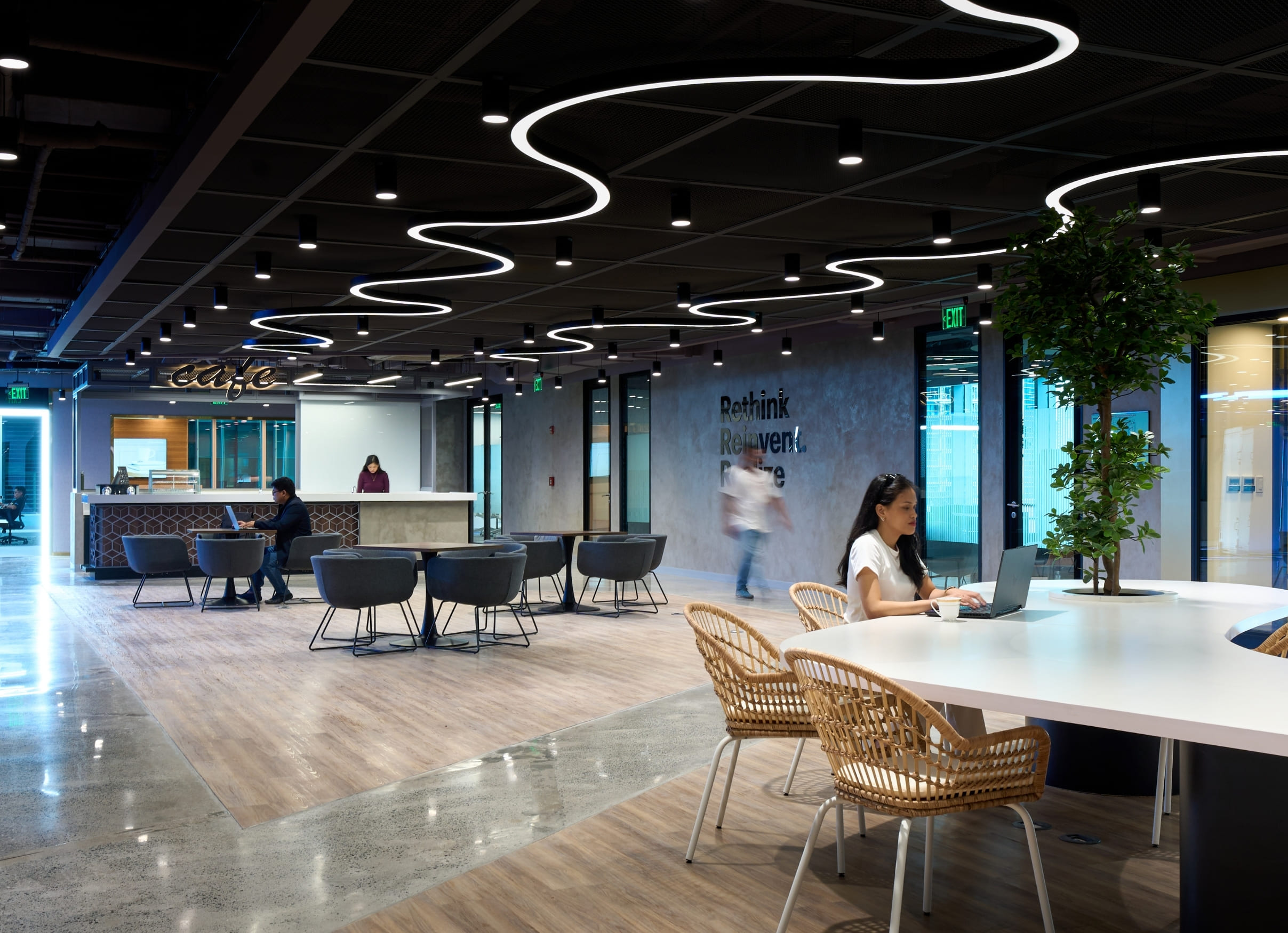
Here, innovation is not simply communicated. It is reflected in how the workplace supports people every day.
How the Workplace Shapes the Employee Experience
Career growth, flexibility and culture all influence where people choose to work. The workplace is where many of those expectations become tangible.
For Palo Alto Networks Singapore, the next phase of its workplace transformation focused specifically on improving the everyday employee experience. As ways of working evolved, employees needed greater choice, stronger opportunities for collaboration and spaces that could support different activities throughout the day.
The workplace was reorganised around neighbourhoods, focus areas, meeting rooms, collaboration spaces and social zones, allowing employees to move more naturally between individual and shared work.
While the workplace cannot create culture on its own, it can reinforce how people connect, collaborate and experience the organisation every day.
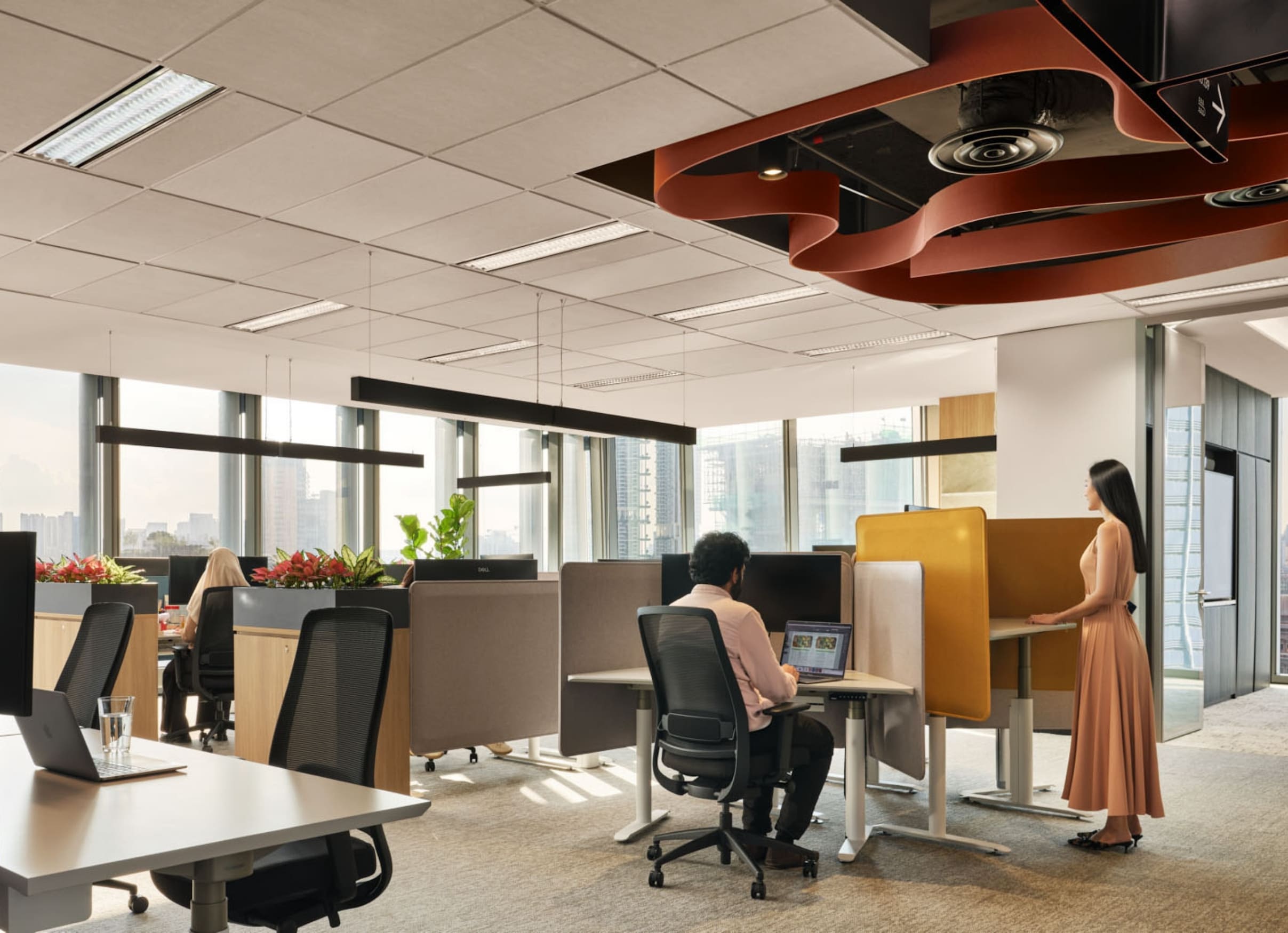
Designing for the Everyday Employee Experience
Attraction is only one part of the employee journey. Once people join, the workplace needs to support how they actually work day to day.
For Wise Singapore, rapid headcount growth created an opportunity to build a workplace around greater choice and flexibility. Its new office is 25% larger than its previous location, with 40% more meeting spaces and 50% more phone booths to better support hybrid collaboration.
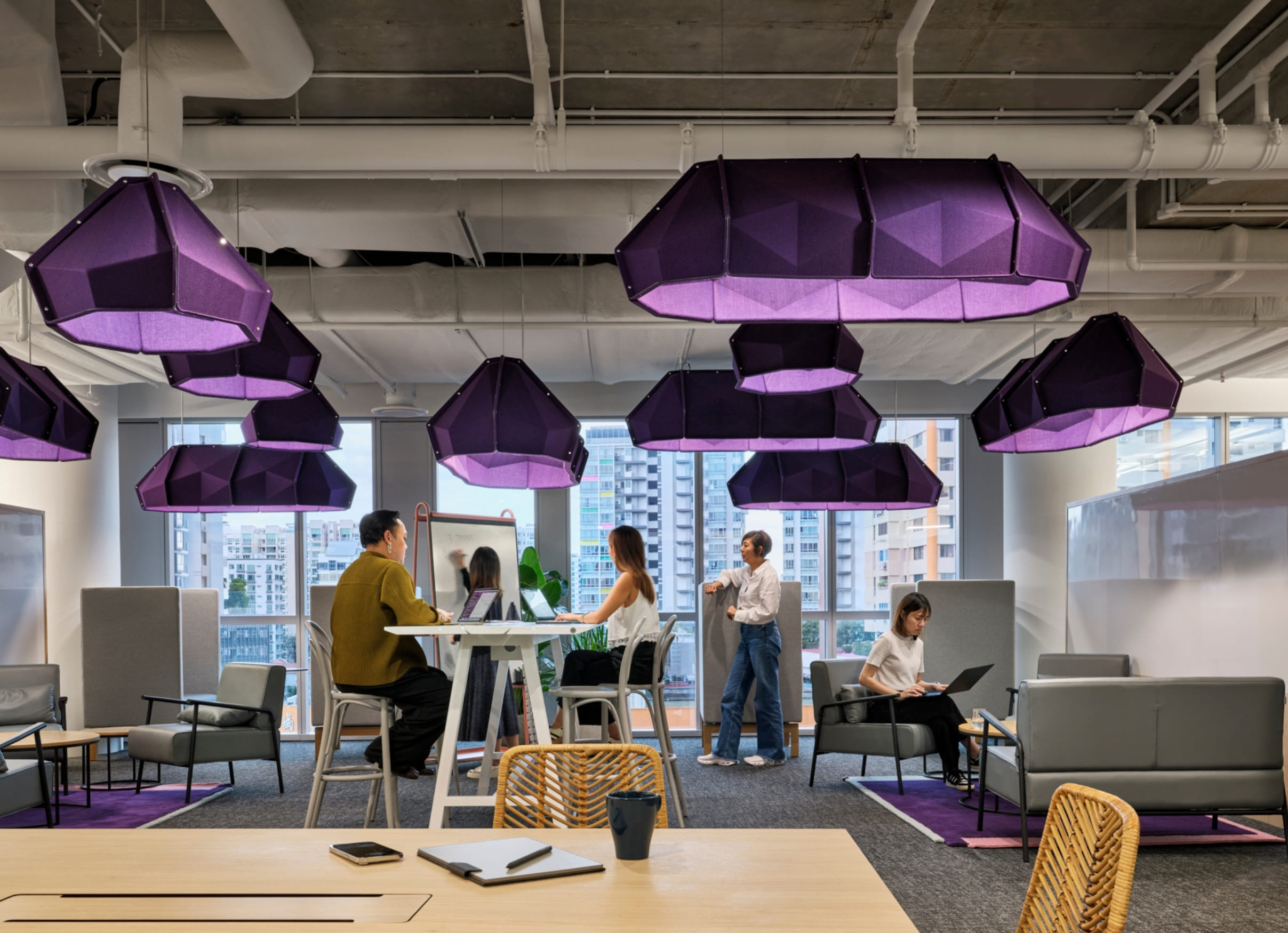
A mix of collaboration zones, quiet areas and focus rooms gives employees different settings depending on the task, while the central Townhall brings together the pantry, meeting spaces and informal seating for everyday interaction. A dedicated wellness zone, with massage pods, nap rooms, parent facilities and multi-faith spaces, adds another layer of support.
Together, these spaces create a workplace that responds to different ways of working, connecting and recharging throughout the day.
Making Organisational Values Tangible
The workplace can make an organisation’s values visible through the spaces people use and experience every day.
At Central Retail Corporation in Bangkok, the front-of-house was designed to do more than welcome visitors. With talent attraction and employee engagement as key drivers, the space needed to reflect the company’s forward-thinking culture while creating an environment that felt warm, energetic and adaptable.
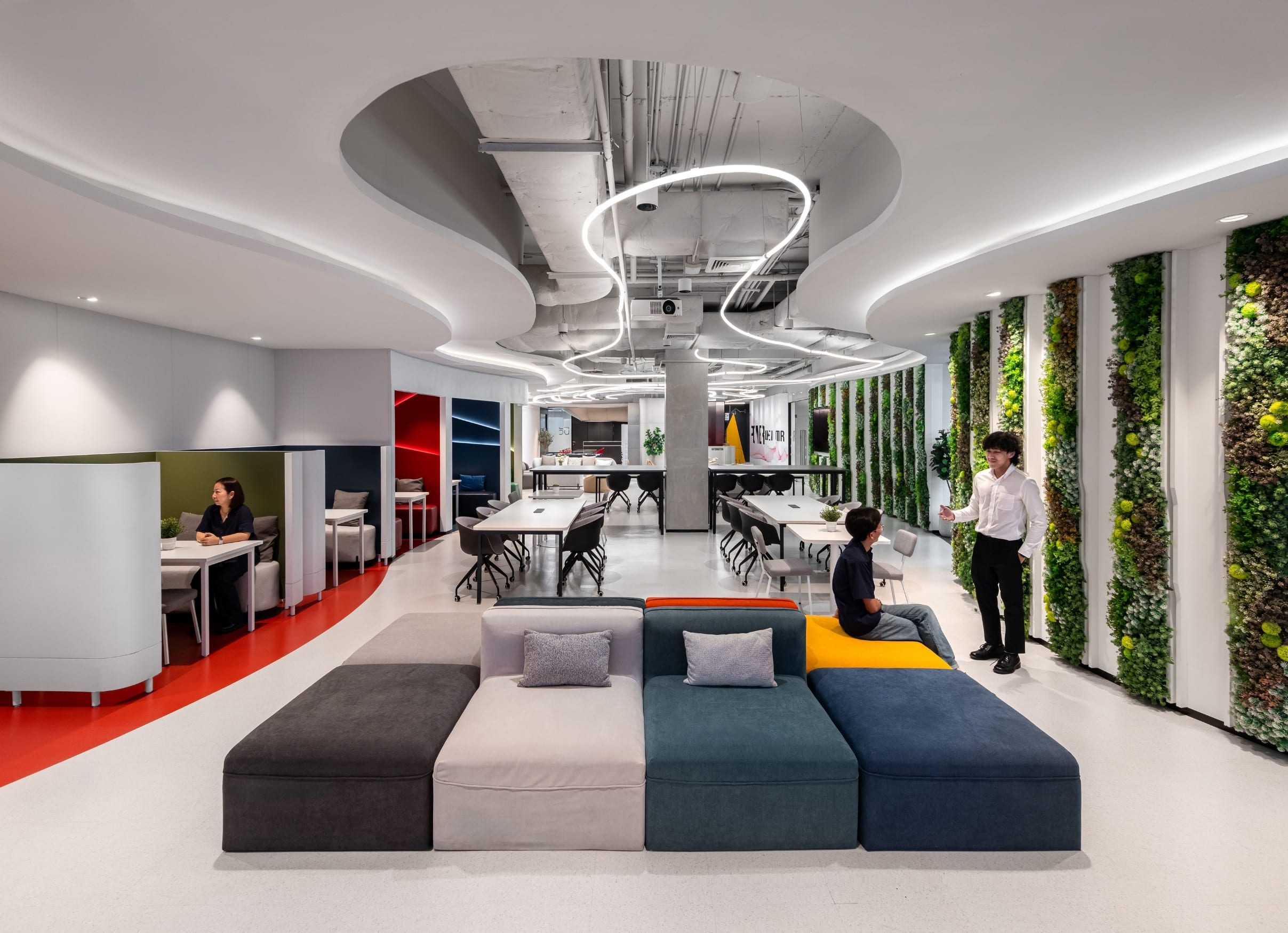
Collaborative zones, informal meeting areas and flexible seating support different ways of coming together, while natural textures, biophilic elements and modular furniture create a space that can evolve with the organisation.
Rather than communicating culture through words alone, the workplace gives employees and visitors the opportunity to experience it firsthand.


TAGS
join our newsletter
Subscribe to receive the latest updates and news on design,
workplace strategy and research into your inbox.
